Stay Retro: A Guide to Using Vintage Typography in Modern Design
In the current digital landscape, standing out is more challenging than ever. With millions of assets competing for attention, designers and creators are constantly searching for visual elements that stop the scroll and evoke an immediate emotional response. One of the most effective ways to achieve this is through typography that tells a story. Stay Retro is a vintage-style typeface that captures the essence of 60s, 70s, and 80s typography, offering a unique solution for projects that need a distinct personality. It is not merely a font; it is a design tool engineered to add warmth, nostalgia, and instant recognition to any creative work.
Understanding the Aesthetic of Stay Retro
To appreciate the value of Stay Retro, one must first understand its design philosophy. This font is deeply inspired by the typography trends of the mid-to-late 20th century. During the 60s and 70s, graphic design was characterized by psychedelic curves, hand-drawn lettering, and bold color palettes. The 80s introduced a sharper, more geometric aesthetic, often associated with new wave music and early digital culture.
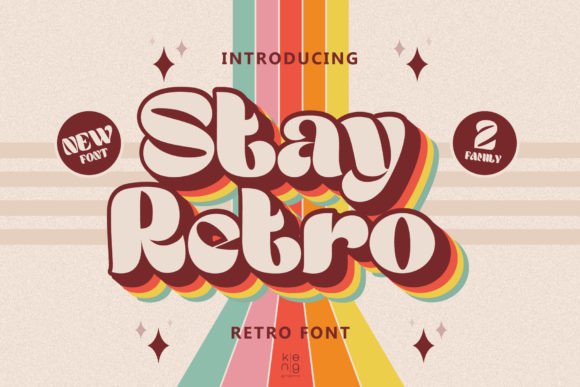
Stay Retro bridges these eras by focusing on a specific structural characteristic: softness. Unlike the sharp, pixel-perfect sans-serifs often found in user interfaces today, Stay Retro features rounded corners and fluid shapes. This unique construction gives the text a tactile, approachable quality. When you look at a headline written in Stay Retro, it feels less like a digital command and more like a friendly invitation. This softness is the key to its versatility, allowing it to feel both playful and professional depending on the context.
The Challenge: Combating Visual Homogeneity
Modern design often suffers from homogeneity. The widespread use of system fonts and standard web typography has created a visual landscape that can feel sterile and repetitive. For brands trying to establish a connection with their audience—particularly Millennials and Gen Z, who have a strong affinity for nostalgia—this standardization presents a significant hurdle.
The goal for many designers today is to create "thumb-stopping" content. This refers to imagery or text compelling enough to make a user pause their rapid scrolling through a social media feed. Standard fonts rarely achieve this. They are functional, but they lack the emotional weight required to grab attention instantly. There is a growing need for display fonts that possess character without sacrificing legibility. This is the gap that Stay Retro is designed to fill.
How Stay Retro Addresses Design Needs
Stay Retro helps solve the problem of visual blandness by injecting personality directly into the letterforms. Because it is a display font, it is optimized for headers, titles, and large-scale text where visual impact is the priority. It addresses specific design challenges in the following ways:
- Instant Nostalgia: The font immediately signals a specific vibe. Whether it is the groovy curves of the 70s or the punchy attitude of the 80s, Stay Retro transports the viewer to a different time.
- Brand Differentiation: For a startup or a creative agency, using a font like Stay Retro can serve as a primary brand identifier. It suggests that the brand is creative, approachable, and fun.
- Visual Hierarchy: Because Stay Retro is so distinct, it creates an immediate separation between headline and body copy. This helps organize information and guides the reader’s eye.
Practical Applications and Implementation
The versatility of Stay Retro allows it to be applied across a wide range of mediums. However, successful implementation requires understanding the context in which the font is used.
Graphic Design and Poster Art
In poster design, typography often needs to act as the primary illustration. Stay Retro excels here. Its rounded corners and unique shapes mean that even a simple word can become a piece of art. Designers can use it for music festival posters, vintage market flyers, or art gallery exhibitions. The font pairs exceptionally well with textured backgrounds, such as old paper or grainy overlays, which enhances the retro effect.
Digital Marketing and Social Media
On platforms like Instagram or Pinterest, visual distinctiveness is currency. Using Stay Retro for social media graphics can help a brand’s content feel curated and intentional. It is particularly effective for quotes, promotional sale announcements, or profile headers. Because the font grabs attention, it increases the likelihood of engagement. However, it is crucial to use it sparingly—typically only for the headline—to ensure the message remains clear.
Product Packaging and Merchandise
The "soft" aesthetic of Stay Retro makes it ideal for packaging, particularly for lifestyle brands, food products, or apparel. It conveys a sense of craftsmanship and care. Imagine a coffee bag or a t-shirt label using this font; it immediately suggests a product that values style and heritage. For merchandise, the rounded edges of the letters translate well to screen printing and embroidery, avoiding the jagged edges that can sometimes occur with thinner, sharper fonts.
Web Design Headers
While body text on websites requires high legibility and usually dictates a sans-serif or serif font, headers offer an opportunity for creativity. Using Stay Retro for the "Hero" section of a website can set the tone for the entire user experience. It tells visitors immediately that the site belongs to a creative or unconventional brand. To maintain SEO standards and readability, designers should ensure that the font is rendered as text (or with proper alt-text and accessibility considerations) rather than just an image.
Tailoring the Approach for Different Users
Not every user will utilize Stay Retro in the same way. The application depends heavily on the specific goals of the project.
The Small Business Owner: For a small business owner creating their own marketing materials, Stay Retro offers a way to look professional without hiring a full design team. It provides a built-in aesthetic. The recommendation here is to use the font for logos and main headings, pairing it with a simple, clean sans-serif for the body text to ensure customers can easily read the details.
The Professional Designer: A seasoned graphic designer will use Stay Retro as a texture or a mood-setter. They might manipulate the tracking (letter spacing) to create a more airy, modern feel, or stack the words vertically to create dynamic layouts. They will likely focus on the color contrast, pairing the soft font with bold, flat colors typical of the retro era.
The Content Creator: YouTubers and influencers often use custom fonts for thumbnails and channel art. Stay Retro helps in creating a cohesive "brand identity" for a channel. If the content is about gaming, movies, or pop culture, this font reinforces the theme before the viewer even clicks play.
Design Considerations and Best Practices
While Stay Retro is a powerful tool, there are best practices to ensure it remains effective.
- Contrast is Key: Because the font is rounded and soft, it can sometimes lack "bite" if placed on a busy background with low contrast. Ensure the text color stands out sharply against the background image.
- Size Matters: Display fonts like Stay Retro are not designed for small text sizes. Using it for footnotes or long paragraphs will harm readability. Keep it large and let it breathe.
- Pairing: The best companion for a retro display font is a neutral geometric sans-serif. Fonts like Futura, Helvetica, or Open Sans provide the necessary stability to ground the whimsical nature of Stay Retro.
- Color Palette: To maximize the retro vibe, consider using color palettes from the specific decade you are targeting. Mustard yellows, avocado greens, and burnt oranges work well for the 70s, while neon pinks, cyans, and purples suit the 80s aesthetic.
The Outcome: Recognition and Connection
The ultimate goal of using a font like Stay Retro is to create a connection. In a world of automated responses and digital noise, typography that feels human and nostalgic creates a moment of pause for the viewer. It transforms a standard piece of text into a statement.
By integrating Stay Retro into a design workflow, creators can achieve a higher level of visual interest. It allows for the creation of content that is not only seen but felt. Whether it is used to sell a product, promote an event, or simply beautify a social media feed, Stay Retro provides the tools to make that content instantly recognizable. It proves that sometimes, looking back is the best way to move forward in design.
For those looking to refresh their creative toolkit, exploring the capabilities of Stay Retro is a practical step toward more engaging and memorable design. It stands as a testament to the enduring power of good typography and the timeless appeal of the retro era.