Deciding on Moking: A Balanced Look at This Bold Script Font
When searching for a typeface that conveys energy and personality, the sheer volume of available options can be overwhelming. Among the many choices, script fonts remain a popular category for designers aiming to add a human touch. Moking enters this space as a bold script typeface that attempts to bridge the gap between vintage elegance and modern vibrancy. It is designed not just to be read, but to be felt, offering a distinct character that can elevate a design from simple text to a central visual element.
This analysis explores the characteristics of Moking, examining its strengths, potential trade-offs, and ideal use cases. The goal is to provide a clear framework for deciding whether this font aligns with your project's needs, helping you make a more informed choice without the influence of promotional language.
Understanding Moking's Core Identity
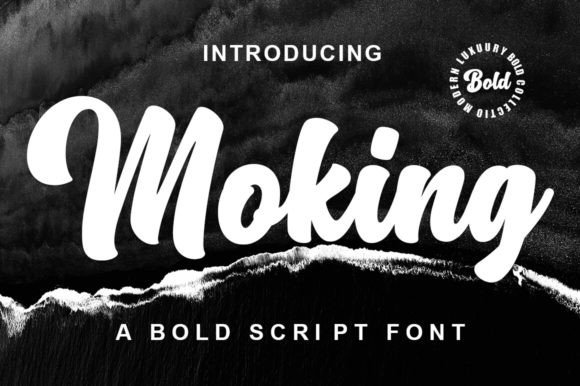
At its foundation, Moking is a bold script font. This classification immediately sets it apart from more subdued, formal scripts or thin, delicate calligraphy. Its weight gives it presence, ensuring it commands attention even at smaller sizes. The design philosophy appears to center on a "joyful essence," which translates into fluid, confident strokes and a sense of movement. Unlike static serif or sans-serif fonts, Moking's letterforms connect in a way that mimics natural handwriting, but with a stylized, polished finish.
What makes it distinct is this combination of traits. It carries a vintage elegance, suggesting inspiration from mid-century signage or retro advertisements, yet it avoids feeling dated. The curves and bends are carefully crafted to add immense beauty and an enigmatic charm, making it a display font first and foremost. It is not designed for long paragraphs of body copy; its purpose is to make a statement in headlines, logos, and short, impactful phrases.
Comparing Moking to Alternative Font Categories
To properly evaluate Moking, it's helpful to consider how it fits within the broader typographic landscape. Your choice of font category often depends on the project's tone and functional requirements.
Script vs. Sans-Serif and Serif
The most fundamental comparison is between script fonts like Moking and more neutral categories. A sans-serif font (like Helvetica or Arial) prioritizes clarity and modernism, making it excellent for user interfaces and long-form reading. A serif font (like Times New Roman or Georgia) often conveys tradition, authority, and is highly readable in print. Moking, as a script, operates in a different emotional register. It sacrifices some universal legibility for personality and flair. It is the right choice when the goal is to evoke a specific feeling—warmth, creativity, nostalgia, or excitement—rather than to convey straightforward information.
Within the Script Family: Bold vs. Formal
Even within script fonts, there is a wide spectrum. Formal scripts (like Zapfino or Edwardian Script) mimic elegant calligraphy, suited for weddings, luxury brands, and high-end invitations. Brush scripts emulate the look of hand-painted lettering, often with a raw, artistic edge. Casual scripts feel more like everyday handwriting. Moking positions itself as a bold display script. It shares the fluidity of other scripts but uses its weight to stand out in environments where a delicate script might get lost. This makes it particularly effective for designs that need to be seen from a distance or on busy backgrounds.
Strengths and Ideal Applications for Moking
Moking's design excels in specific scenarios where its unique attributes can be fully appreciated.
- Branding and Logo Design: For brands that want to project approachability, creativity, or a touch of retro charm, Moking can become the cornerstone of a visual identity. It works well for bakeries, boutique shops, creative agencies, or lifestyle brands that value a personal touch.
- Headlines and Display Text: In editorial design, posters, or website banners, Moking can draw the eye and set the tone. A headline set in Moking can immediately signal that the content is creative, spirited, or unconventional.
- Packaging and Labels: On product packaging, especially for artisanal goods, craft beverages, or specialty foods, Moking's vintage elegance can evoke a sense of authenticity and care. Its boldness ensures product names are legible on shelf displays.
- Event Invitations and Greeting Cards: For events that are celebratory rather than formal—such as birthday parties, product launches, or creative workshops—Moking adds a festive, personal energy.
Trade-offs and Limitations to Consider
No font is universally perfect, and understanding Moking's limitations is as important as recognizing its strengths.
- Readability at Small Sizes: Like many display and script fonts, Moking's intricate details can become muddled or lost when used at very small point sizes, particularly in digital formats with lower resolution. It is not recommended for footnotes, legal text, or any context where absolute clarity is paramount.
- Overuse and Visual Fatigue: Because of its strong personality, using Moking excessively can overwhelm a design. It is most effective as an accent font. Pairing it with a simple, neutral sans-serif for body text is a common and practical approach to maintain balance.
- Contextual Appropriateness: The very charm that makes Moking appealing can be a mismatch for projects requiring a tone of serious authority, clinical precision, or minimalist austerity. A corporate financial report or a medical whitepaper would likely benefit from a more restrained typeface.
- Technical Considerations: Always check the font's licensing and file format to ensure it supports all necessary characters (like multilingual glyphs) and is compatible with your design software. OpenType features can sometimes offer stylistic alternates, but not all fonts include them.
Decision Factors: Is Moking the Right Choice for You?
Making a final decision involves aligning the font's characteristics with your project's goals. Ask yourself these practical questions:
- What is the primary emotion I want to convey? If the answer involves joy, creativity, vintage charm, or bold energy, Moking is a strong candidate. If you need neutrality, sobriety, or ultra-modern sleekness, look elsewhere.
- What is the primary use case? For short, impactful display text, it shines. For running text or data-heavy documents, it is not suitable.
- Who is my audience? Moking's aesthetic tends to resonate with audiences who appreciate design, craftsmanship, and a personal touch. It may be less effective for audiences that prioritize pure functionality and speed of information consumption.
- How will it pair with other elements? Test Moking with your chosen color palette, imagery, and secondary fonts. Its bold curves can either complement or clash with other design elements, so visual testing is crucial.
Conclusion: A Tool for Specific Creative Goals
Moking is not a one-size-fits-all solution, nor is it trying to be. It is a specialized tool designed for designers and creators who want to inject a specific, vibrant personality into their work. Its value lies in its ability to transform text into a mesmerizing piece of art, adding character and standout visual appeal where it is needed most.
By understanding its bold, vintage-inspired script nature and comparing it thoughtfully to the functional requirements of your project, you can determine if Moking is the right font to lend your creativity its splendid charm. When used in the right context and with careful consideration for its trade-offs, it can indeed make a design not only speak but resonate.