Olivia Signature: A Practical Look at This Luxury Script Font for Your Design Needs
When a project calls for an unmistakable touch of personal elegance, the choice of typography becomes paramount. You’re often searching for a font that feels both authentic and refined, one that communicates a sense of care and sophistication without appearing overwrought or generic. In this search for the perfect script, many designers and creatives encounter Olivia Signature, a luxury script font that promises to deliver timeless beauty and understated opulence. But how does it truly perform, and when is it the right choice for your work? This exploration offers a balanced look at its characteristics, best-fit scenarios, and potential tradeoffs.
Understanding the Core of Olivia Signature
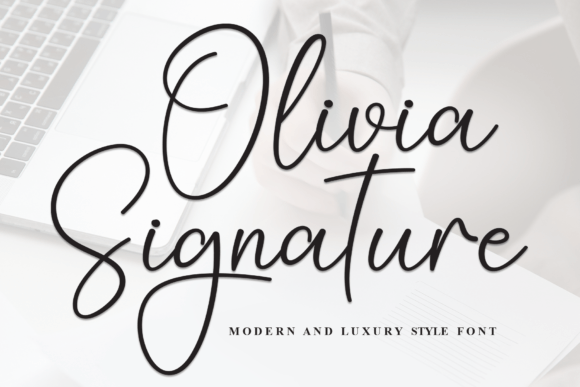
At its heart, Olivia Signature is a contemporary script font designed to emulate the fluid, personal nature of elegant handwriting. Its defining features are its graceful curves and refined strokes. Unlike more rigid or formal calligraphic fonts, Olivia Signature strikes a balance between legibility and artistic flair. The letterforms often feature delicate swashes and ligatures—connections between letters that enhance the natural, handwritten flow. This creates a rhythm that feels both personal and polished, making it far more than just a standard cursive typeface.
What makes it distinct in a crowded market of script fonts is its consistency. Many script fonts can feel disjointed or overly whimsical, sacrificing readability for style. Olivia Signature maintains a cohesive weight and baseline, ensuring that even in longer words or phrases, the text remains harmonious. The opulence it brings is not loud or flashy; it’s the kind of sophistication found in a monogram on fine stationery or the subtle branding of a high-end boutique.
Comparing Olivia Signature to Other Script Styles
When evaluating typography, it’s helpful to understand where a font like Olivia Signature sits within the broader landscape. Script fonts generally fall into a few categories: formal, casual, and modern calligraphic. Formal scripts, often based on historical penmanship like Copperplate, are highly structured and traditional, perfect for very formal wedding invitations or legal documents. They can, however, feel stiff for contemporary brands.
On the other end, casual scripts mimic everyday handwriting. They are friendly and approachable but may lack the premium feel required for luxury branding or upscale event materials. Modern calligraphic scripts, where Olivia Signature primarily resides, blend the organic flow of hand-lettering with a cleaner, more designed aesthetic. Compared to a purely formal script, Olivia Signature feels more accessible and modern. Compared to a casual script, it offers a significant elevation in perceived quality and intention.
An alternative approach is using a serif or sans-serif font with a script accent. This is a common and effective strategy for creating hierarchy and contrast. For example, pairing a strong, clean sans-serif for body copy with a font like Olivia Signature for a headline or a single call-to-action word can create a dynamic and elegant layout. This method often provides better overall readability for longer text while still capturing the personal, luxurious touch where it matters most.
Strengths and Ideal Use Cases
The strengths of Olivia Signature lie in its ability to convey a specific emotional tone. It excels in contexts where personal connection and perceived quality are key drivers.
- Event Branding & Invitations: This is a classic sweet spot. For weddings, milestone celebrations, or exclusive galas, the font sets an immediate tone of elegance and importance. It’s particularly effective for names, dates, and key phrases on invitations, menus, and programs.
- Logo and Brand Identity: For businesses in the luxury, beauty, or lifestyle sectors—such as boutique hotels, high-end florists, artisan bakeries, or personal consultants—Olivia Signature can be a powerful element in a logo or brand mark. It suggests craftsmanship, attention to detail, and a personalized service.
- Digital Presence: When used thoughtfully on websites or social media graphics, it can break the monotony of standard web fonts. It works beautifully for hero section text, promotional banners, or as a stylistic element in email newsletters to highlight special offers or messages.
- Packaging and Print Materials: On product packaging, gift tags, or thank-you cards, this font adds a tactile, premium quality. It transforms a simple item into something that feels curated and special.
In all these scenarios, the font is typically used for display purposes—short, impactful pieces of text rather than lengthy paragraphs. Its primary role is to capture attention and evoke a feeling, not to convey large blocks of information.
Navigating Tradeoffs and Potential Limitations
No typography choice is without its considerations, and Olivia Signature is no exception. A clear-eyed view of its limitations is just as important as understanding its strengths.
The most significant tradeoff is readability versus style. While it is more legible than many overly artistic scripts, it is not designed for body text. Its decorative nature means that setting a full paragraph in Olivia Signature would quickly become tiring for the reader. It demands to be used sparingly and with purpose.
Another factor is contextual appropriateness. The font’s inherent elegance means it can feel out of place in contexts that are meant to be rugged, ultra-modern, minimalist, or tech-focused. For a startup’s app interface, a construction company’s website, or a children’s brand, the sophistication of Olivia Signature might clash with the intended message. In these cases, a clean sans-serif or a more neutral, modern serif would likely be a better fit.
Finally, there is the issue of overuse in the market. Because fonts like Olivia Signature are popular for their aesthetic appeal, they can sometimes become ubiquitous in certain sectors, like wedding planning. To maintain a unique brand identity, it’s wise to consider how the font is paired with other design elements, colors, and imagery to create a distinctive whole, rather than relying on the font alone to do all the work.
Making the Decision: Is Olivia Signature Right for You?
Choosing Olivia Signature comes down to a clear alignment between the font’s personality and your project’s goals. Ask yourself these practical questions:
- What is the core message? If the message is one of personal care, timeless elegance, luxury, or bespoke quality, Olivia Signature is a strong candidate. If the message is about innovation, efficiency, or raw energy, look elsewhere.
- Who is the audience? The font resonates strongly with audiences that appreciate tradition, aesthetics, and premium experiences. Ensure it aligns with your target demographic’s values and expectations.
- How will it be used? Plan to use it for headlines, logos, or accent text only. Always pair it with a highly legible font for any body copy or essential information. Test it at the intended size to ensure all characters are clear, especially in digital formats.
- What is the overall design system? Consider how Olivia Signature will interact with your color palette, photography style, and other typographic choices. It should complement, not compete with, the other elements of your design.
If your project requires a font that is even more ornate or historically precise, you might explore dedicated calligraphic fonts. Conversely, if you need something that is script-like but more understated and versatile, a handwritten font with a simpler structure could be a better alternative. The key is to match the tool to the task.
Ultimately, Olivia Signature is a powerful tool in a designer’s toolkit for specific, well-defined purposes. It offers a reliable way to inject a dose of sophistication and personal touch into a project. By understanding its distinct characteristics, comparing it thoughtfully to other styles, and honestly evaluating its fit for your context, you can make an informed decision that elevates your typography and effectively communicates your intended message. It’s not about being the only answer, but about being the right answer for the right moment.