Modern Calligraphy: A Comprehensive Guide to Its Elegance and Application
Understanding the Essence of Modern Calligraphy
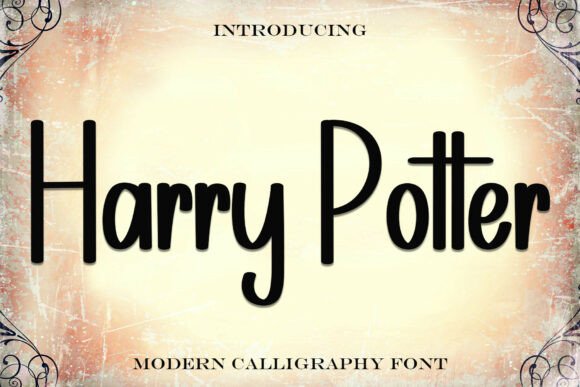
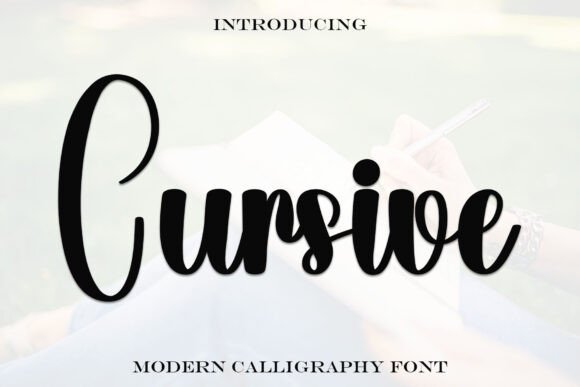
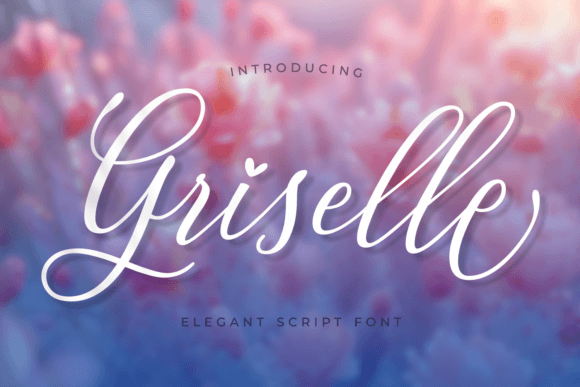
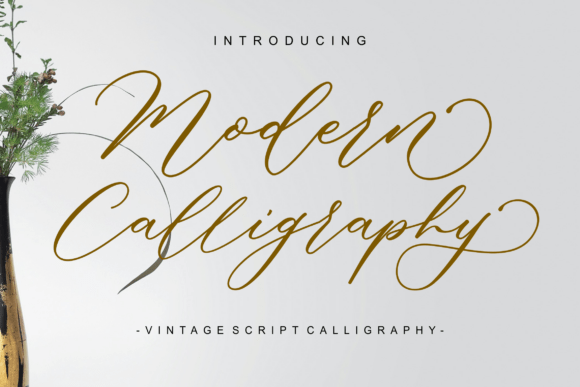
Modern Calligraphy represents a significant evolution in the world of typography and lettering. It is a typeface and style that captures the elegance and charm of vintage script handwriting, yet it is tailored for contemporary use. Unlike rigid, formal scripts of the past, modern calligraphy embraces flowing, intricate strokes that feel organic and personal. This style is characterized by its beautiful swashes, varied baseline, and carefully crafted letter connections that mimic the natural movement of a hand holding a nib or brush pen. The result is a font family that feels both nostalgic and fresh, offering a timeless quality that can elevate a wide range of design projects.
At its core, modern calligraphy is about bridging the gap between traditional artistry and modern design needs. It retains the sophistication of historical scripts but often incorporates slight irregularities and playful flourishes that give it a more approachable and authentic feel. This balance makes it exceptionally versatile. It is not merely a decorative font; it is a tool for evoking specific emotions and setting a distinct tone, whether that is romance, luxury, tradition, or artisanal craftsmanship.
Why Designers and Creators Are Drawn to This Style
The interest in modern calligraphy stems from its unique ability to communicate on an emotional level. In a digital world saturated with clean, geometric sans-serifs and standardized serifs, a well-executed calligraphic font offers a human touch. It suggests that care, artistry, and personal attention have been invested in a project. For businesses and individuals, this can translate into a perception of quality, exclusivity, and warmth. A logo set in a modern calligraphy font, for instance, can instantly convey a brand's commitment to craftsmanship or bespoke service.
Furthermore, the aesthetic versatility of modern calligraphy is a major draw. It is not confined to a single mood. Depending on the specific font weight, swash complexity, and accompanying design elements, it can feel rustic and handcrafted for a farm-to-table restaurant, or opulent and refined for a high-end jewelry brand. This adaptability allows it to serve a broad spectrum of industries and personal projects, from wedding stationery to product packaging for artisanal goods.
Evaluating the Benefits and Practical Tradeoffs
The primary benefit of using a modern calligraphy font is its immediate impact on visual storytelling. It can make a design feel more personalized and emotionally resonant, which is invaluable for projects like wedding invitations, greeting cards, or boutique branding where connection is paramount. The intricate details and swashes create a strong focal point, helping designs stand out in crowded marketplaces.
However, there are important tradeoffs to consider. The very intricacy that makes modern calligraphy beautiful can pose challenges for readability, especially at small sizes or in dense blocks of text. It is generally best suited for display purposes—headlines, logos, short phrases—rather than for body copy. Designers must also be mindful of context. A font that feels elegantly vintage in one setting might appear overly ornate or out of place in a minimalist, tech-focused environment. Selecting the right specific font within the modern calligraphy category is crucial; some are highly decorative with extreme flourishes, while others are more subdued and legible.
Another consideration is the need for thoughtful typographic pairing. To maintain visual harmony and ensure overall readability, modern calligraphy fonts often require a complementary, simpler font for supporting text. This adds a layer of complexity to the design process but is essential for a professional outcome.
Identifying the Ideal Applications and Scenarios
Modern calligraphy is a strong fit for projects where branding and emotional appeal are central objectives. It excels in the following areas:
- Wedding and Event Stationery: Invitations, programs, menus, and place cards benefit immensely from the romantic and personalized feel of calligraphy.
- Logo and Brand Identity Design: It is ideal for businesses in the lifestyle, beauty, artisanal food, fashion, and hospitality sectors that wish to project an image of elegance, tradition, or handcrafted quality.
- Display and Packaging: Product labels for cosmetics, gourmet foods, or specialty beverages, as well as signage for boutiques and cafes, can use this font to suggest premium quality and care.
- Decorative and Artistic Projects: Creating wall art, social media graphics for inspirational quotes, or chapter headings in a book can all be enhanced with a touch of calligraphic style.
In these scenarios, the font acts as a design feature in itself, setting the mood and communicating core brand values without needing extensive explanation.
Considering Alternatives and When to Look Elsewhere
While modern calligraphy is powerful, it is not universally appropriate. There are clear situations where alternative typeface choices would be more effective and practical.
For projects demanding high legibility at small sizes, such as extensive body text in reports, books, or websites, a traditional serif or sans-serif font is a far better choice. Similarly, for interfaces focused on efficiency, like software dashboards or instructional manuals, the decorative nature of calligraphy would hinder usability and clarity. In contexts where a brand identity must project hyper-modernity, minimalism, or stark technical precision—think fintech apps, engineering firms, or contemporary architecture studios—a geometric sans-serif or a clean, modern serif would align more closely with those goals.
It is also worth considering the audience's perception. While many associate calligraphy with positive qualities like elegance and tradition, in some contexts it might be misinterpreted as being overly formal, outdated, or difficult to engage with. Understanding your target audience's expectations is key.
Making a Practical Decision for Your Project
To determine if modern calligraphy aligns with your goals, start by defining the core message and emotion you need to convey. Ask yourself: Does my project benefit from a personal, artisanal, or romantic touch? Will the text primarily be used for short, impactful headlines or logos? Is my target audience likely to appreciate a vintage or handcrafted aesthetic?
If you answer yes to these questions, exploring modern calligraphy fonts is a worthwhile step. When evaluating specific fonts, test them in the context of your intended application. Check the legibility of the most critical word or phrase. Examine the availability of alternate characters and swashes—these can be essential for creating custom, professional-looking ligatures and avoiding awkward letter pairings. Always pair it with a highly legible secondary font for any necessary body text.
Ultimately, the decision hinges on strategic alignment. Modern calligraphy is not just a font choice; it is an aesthetic decision that frames your entire message. When used thoughtfully and in the right context, it can be a powerful tool for creating designs that are not only beautiful but also deeply resonant and memorable. By carefully weighing its benefits against its practical limitations, you can make an informed choice that elevates your project and effectively communicates your intended narrative.