Prestige Signage: Integrating Victorian Elegance into Modern Design Workflows
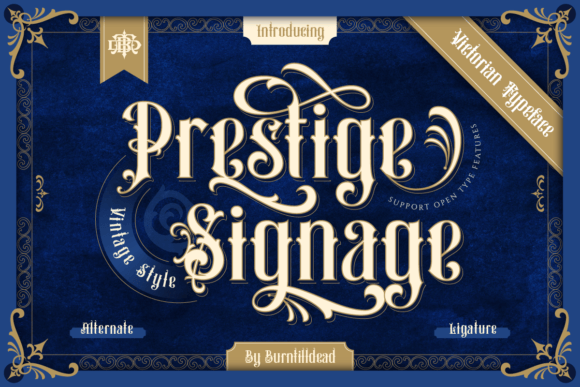
In the landscape of contemporary typography, finding a font that bridges the gap between historical grandeur and modern utility is a rare occurrence. Prestige Signage represents that intersection, offering a blackletter typeface deeply rooted in Victorian aesthetics while engineered for current digital and print production environments. This is not merely a decorative element; it is a strategic asset for designers, brand managers, and creatives seeking to evoke a specific era of craftsmanship and authority. Understanding how to integrate such a specialized font into a broader design workflow requires a methodical approach to ensure that the resulting work is both legible and stylistically cohesive.
Defining the Aesthetic: The Victorian Blackletter Context
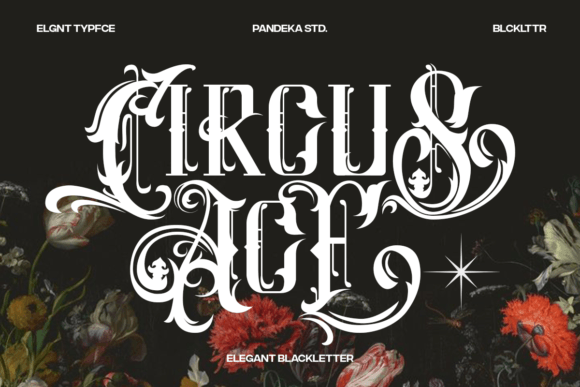
The Victorian era was a time of typographic experimentation and industrial expansion, characterized by heavy ornamentation and bold structures. Prestige Signage draws directly from this lineage, utilizing the sharp contrasts and angular strokes typical of blackletter scripts. However, unlike some historical blackletter faces that can be difficult to read in smaller sizes or digital formats, this font is designed with a focus on clarity. The "Signage" aspect of its name implies a structural robustness intended for display use, where visibility and impact are paramount.
For the modern creator, this aesthetic serves a specific functional purpose. It immediately signals tradition, heritage, and a certain level of formality. When a small business owner or a graphic designer selects Prestige Signage, they are making a deliberate choice to anchor their project in a narrative of timelessness. This is particularly relevant in industries such as craft brewing, bespoke tailoring, high-end hospitality, and publishing, where the visual language must communicate quality and legacy.
Strategic Implementation in the Design Process
Integrating a blackletter font like Prestige Signage into a project should not be an afterthought; it is best implemented during the concept and planning phases. When a designer is developing a mood board for a brand label or a book cover, the typeface dictates the supporting visual elements. Because this font carries a strong historical connotation, it pairs best with imagery and layouts that support that narrative.
The workflow for utilizing this typeface involves several key stages:
- Concept Validation: Before selecting the font, verify that the project’s core message aligns with Victorian or classic themes. Using this font for a hyper-modern or minimalist tech brand might create a disconnect, whereas using it for a heritage leather goods brand creates immediate resonance.
- Typographic Hierarchy: Establish how Prestige Signage fits into your type scale. Given its distinct blackletter style, it is best reserved for headlines, logos, or pull quotes. Attempting to use it for body copy can lead to readability issues. The workflow requires pairing it with a highly legible serif or sans-serif font for secondary information.
- Asset Integration: During the execution phase, import the font files into your design software (such as Adobe Illustrator, InDesign, or Affinity Designer). It is at this stage that the specific features of the font—such as the included alternates and ornaments—become operational tools.
Workflow Integration: Alternates and Ornaments
One of the defining features of Prestige Signage is the inclusion of eight alternates and a free ornament. In a practical workflow, these assets serve to solve common design problems, specifically regarding spacing and visual flair.
Utilizing Alternates for Flow: Blackletter fonts can sometimes appear rigid or blocky. The eight alternate characters allow designers to swap out standard letters for stylistic variations. This is particularly useful when connecting letters to create a seamless script-like flow in a logo or monogram. Instead of manually kerning and adjusting anchor points, a designer can simply toggle the alternate glyph to find a combination that flows naturally. This saves significant production time and ensures the aesthetic remains organic rather than forced.
The Role of the Ornament: The included ornament is a practical tool for finishing a layout. In the context of a book cover or a signage project, empty space (negative space) can sometimes feel unbalanced. The ornament provides a period-accurate decorative element that can be used to frame text or divide sections. This eliminates the need to source external clipart, ensuring that the decorative elements share the same vector quality and stylistic weight as the typography itself.
Preparation and Technical Considerations
Before deploying Prestige Signage in a final production environment, attention must be paid to technical preparation. This ensures consistency across different mediums, whether the final output is a digital banner or a physical sign.
- Color Contrast: Victorian styles often rely on high contrast. When using this font, ensure the background color supports legibility. A dark font on a dark textured background (common in vintage designs) may look atmospheric on a screen but fail in print. Testing color values early in the process is a necessary quality control step.
- Scalability: Because the font features fine details and sharp serifs, it must be tested at the intended output size. While it is designed for signage, extreme reduction in size for mobile web headers might require slight adjustments to letter-spacing (tracking) to prevent the letters from merging visually.
- File Management: When working within a team or handing off files to a printer, it is standard practice to outline the fonts or provide the specific license files for Prestige Signage. This prevents font substitution errors that could ruin the intended Victorian aesthetic.
Use Cases and Practical Application
The versatility of Prestige Signage allows it to be applied across various professional domains. Understanding these applications helps users visualize the end result before starting the work.
Brand Identity and Labels
For entrepreneurs creating product labels, this font provides an immediate "established" look. It suggests that the brand has history and substance. When used on a wine label or a hot sauce bottle, it communicates a recipe that has been perfected over time. The workflow here involves using the font as the primary logo mark, supported by clean sans-serif typography for legal and nutritional information.
Publishing and Editorial Design
Book cover designers often struggle to find fonts that evoke the genre without looking cliché. Prestige Signage fits the mystery, thriller, or historical fiction genres perfectly. It can be used for the title to create a dramatic focal point, while the ornaments can be used on the spine or chapter headers to maintain a cohesive theme throughout the interior layout.
Environmental and Signage Design
As the name implies, this font is built for signage. For interior designers or event planners creating menus, directional signs, or headers for a themed event, the font offers a "showcard" quality. It reads well from a distance, provided the leading (line height) is managed correctly. In a physical production workflow, this often involves laser cutting the letters from wood or metal, a process where the clean vectors of the font are essential.
Long-Term Use and Brand Consistency
When a designer or business owner selects Prestige Signage for a project, they are establishing a visual tone that must be maintained over time. This requires creating a style guide that dictates exactly how the font is to be used. This guide should specify which of the eight alternates are approved for use, the minimum size for legibility, and the specific pairings for secondary fonts.
By systematizing the use of the font, the user moves from a one-off project to a cohesive brand identity. This prevents "design drift," where marketing materials begin to look inconsistent as different team members apply the typography differently. The goal is to make the Victorian elegance of the font a reliable constant in the visual strategy.
Conclusion
Prestige Signage is more than a collection of vector paths; it is a functional tool for executing a specific creative vision. By approaching it with a structured workflow—validating the concept, managing the technical details, and utilizing the provided alternates and ornaments—creators can produce work that stands out for its sophistication and clarity. Whether for a book cover, a brand label, or a physical sign, this font provides the necessary framework to bring a classic, vintage concept to life with professional precision.