Evaluating Signaturide: A Versatile Vintage-Inspired Font Duo
In the landscape of contemporary typography, the demand for typefaces that bridge the gap between historical aesthetics and digital functionality is significant. Designers often seek typefaces that evoke a specific mood—such as nostalgia or warmth—without sacrificing the legibility required for modern interfaces. Signaturide enters this space as a typeface pairing that aims to harmonize the expressive nature of mid-century typography with the structural requirements of current design projects.
This evaluation explores the characteristics of the Signaturide font duo, analyzing its composition, ideal applications, and potential limitations. For designers, brand strategists, and creatives assessing font libraries, understanding the technical and aesthetic balance of this typeface is crucial for determining if it aligns with specific project goals.
Composition and Aesthetic Analysis
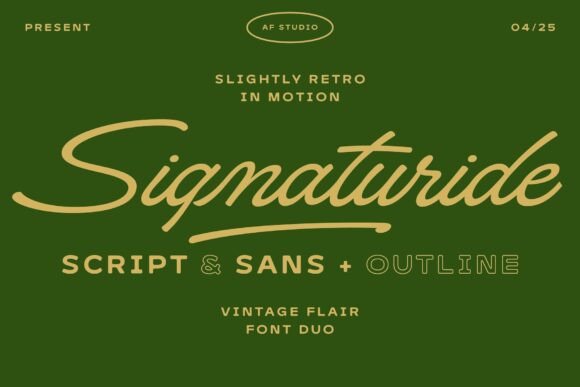
Signaturide is defined by its classification as a font duo. This means the package is not a single typeface but a coordinated pairing of two distinct styles: a script font and a sans-serif font. The primary goal of this combination is to provide built-in contrast, which is a fundamental principle of effective typography.
The script component of Signaturide is designed to mimic the fluid motion of handwriting or hand-lettering typical of the mid-20th century. It captures "retro charm" through varying stroke weights and a sense of momentum. This style is often used to convey personality, authenticity, and a human touch. However, in evaluation, it is important to note that script fonts generally carry a higher cognitive load for readers. They are best suited for headlines, logos, or short bursts of text where atmosphere is prioritized over rapid information processing.
Complementing the script is the sans-serif component. This style is typically cleaner and more structured, intended to ground the expressive nature of the script. The utility of the sans-serif lies in its versatility for body text or supporting information. By pairing a vintage script with a modern sans-serif, Signaturide attempts to solve the common design problem of balancing flair with readability.
Functional Benefits and Use Cases
When evaluating whether to implement Signaturide, it is helpful to consider the specific scenarios where its design attributes offer the most value. The typeface is positioned for use in branding, editorial design, and packaging.
Branding and Identity: For brands looking to establish a voice that feels established yet approachable, Signaturide offers a potential solution. The script element can lend a "bespoke" quality to a logo, suggesting craftsmanship or personal service. Meanwhile, the sans-serif allows for clear communication of taglines or secondary brand information. This duality makes it a candidate for lifestyle brands, boutique agencies, or artisanal products.
Editorial Design: In magazine layouts or blog headers, the duo can create visual hierarchy quickly. The script can draw the eye to a feature title, while the sans-serif handles subheadings and pull quotes. The "vintage-inspired" nature of the font also makes it suitable for publications focusing on history, culture, or retro-themed content.
Packaging: On physical goods, shelf appeal is paramount. The "expressive motion" of the script can differentiate a product from competitors using standard corporate fonts. It works particularly well for food and beverage packaging, where a sense of homemade quality or heritage is a marketing advantage.
Tradeoffs and Technical Considerations
While the aesthetic appeal of a vintage-inspired script is high, a balanced evaluation must consider the tradeoffs. No typeface is universal, and Signaturide presents specific challenges that users should anticipate.
Legibility at Scale: The very features that give the script its charm—swashes, ligatures, and fluid connections—can become liabilities at small sizes or low resolutions. If a project requires extensive body copy or usage on mobile interfaces with small text, the script portion of Signaturide will likely be unsuitable. In such cases, the sans-serif component would need to carry the weight of the design, potentially diminishing the value of purchasing a duo.
Contextual Appropriateness: The mid-century aesthetic is a strong stylistic signal. While effective for brands wanting to evoke that era, it may feel anachronistic or stylistically jarring for sectors like fintech, medical technology, or corporate SaaS, where a neutral, forward-looking aesthetic is often preferred.
Technical Implementation: Users should verify the file formats and licensing of Signaturide to ensure compatibility with their workflow, whether for web use (WOFF2 formats) or print (OTF/TTF). Additionally, checking for OpenType features—such as alternate characters or stylistic sets—is recommended, as these features allow for customization and prevent the "cookie-cutter" look sometimes associated with popular display fonts.
Decision-Making Insights: Is Signaturide the Right Choice?
Determining if Signaturide aligns with your needs requires a clear assessment of your project's communication goals. The following insights can help guide the selection process:
- Prioritize Atmosphere over Neutrality: If the goal is to create a neutral, invisible text experience (such as for long-form technical documentation), Signaturide is likely not the optimal choice. However, if the goal is to inject personality and evoke a specific emotional response, it warrants consideration.
- Evaluate the "Duo" Utility: Assess whether you will actually use both fonts. If you only need a script font and already have a preferred sans-serif, a standalone script might be more cost-effective. Conversely, if you struggle with pairing fonts, a professionally curated duo like Signaturide saves time and reduces design risk.
- Consider Longevity: Trends in typography shift. While vintage styles have a cyclical nature, they can also feel dated if not implemented thoughtfully. Consider if the retro charm fits the long-term strategy of the brand or project.
Comparing Alternatives
If Signaturide does not perfectly fit the brief, there are alternative paths to consider. For those who like the concept but need a different era's influence, exploring other font duos that focus on Art Deco or 1970s typography might yield better results.
Additionally, if the script element feels too casual, looking for a Slab Serif paired with a sans-serif might offer a similar vintage feel with a more authoritative tone. For projects requiring maximum versatility, a large "Super Family" that includes serif, sans, and slab variations within a single type system might provide more value than a specialized duo.
Conclusion
Signaturide presents a functional solution for designers seeking to combine the warmth of vintage script with the clarity of modern sans-serif typography. Its strength lies in its ability to facilitate rapid visual hierarchy and evoke a sense of retro authenticity. However, its suitability depends heavily on the context of the application. By weighing the expressive benefits against potential legibility constraints and stylistic fit, designers can make an informed decision on whether Signaturide is the appropriate tool for their creative objectives.